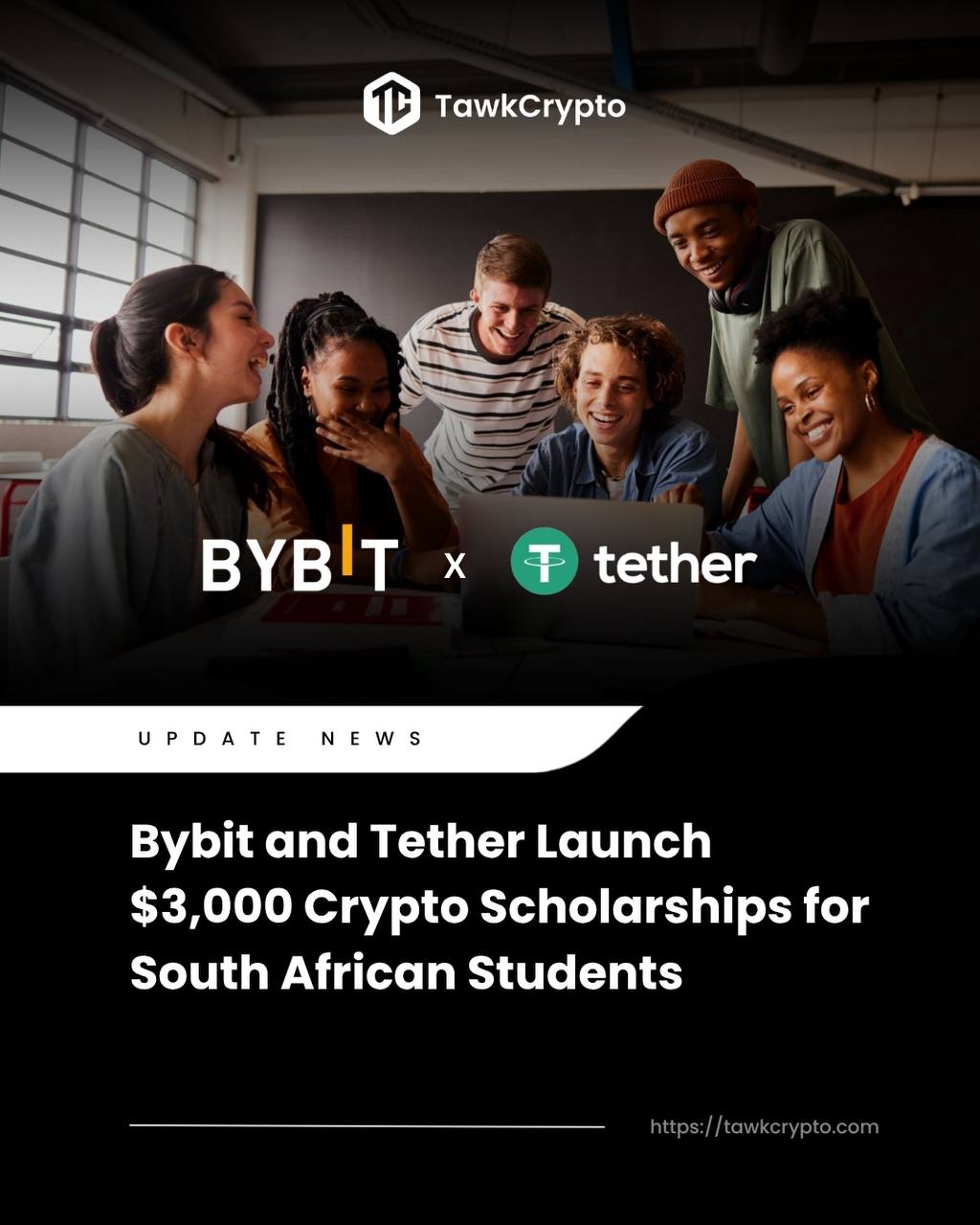
Bybit and Tether have unveiled a new corporate social responsibility initiative targeting South African university students, marking the latest in a series of educational investments across the African continent. The crypto scholarship program, running from October 2 to November 7, 2024, offers prizes totaling over $10,000, with a top award of $3,000 for first place.
The initiative represents more than traditional financial aid, it’s part of a strategic push by major crypto players to build blockchain literacy and develop local talent pools across Africa’s rapidly growing Web3 ecosystem.
A Video-First Application Process
Unlike conventional scholarship programs that rely heavily on academic transcripts and written essays, Bybit and Tether have adopted an innovative, accessible approach centered on video submissions.
Applicants are required to create and submit a short video introducing themselves, discussing their field of study, and articulating how the scholarship would help them achieve their personal, academic, and career goals. These videos must be posted on social media platforms before being officially submitted through designated entry portals.
This social media-integrated approach serves a dual purpose: it democratizes access by reducing traditional barriers while simultaneously spreading awareness about blockchain technology and cryptocurrency across African digital spaces. The viral nature of social sharing means the program’s reach extends far beyond the eventual winners, creating broader conversations about Web3 opportunities.
Substantial Rewards Across Multiple Tiers
The scholarship program features a tiered prize structure designed to benefit a wide range of participants rather than concentrating rewards at the top. The financial awards break down as follows:
- First Place: $3,000
- Second Place: $2,000
- Third Place: $1,000
- Fourth to Fiftieth Place: $100 each
With 50 total awards available, the program ensures that a significant number of students receive financial support for their education. Bybit will announce weekly winners through its Africa-focused social media channels, building anticipation throughout the campaign period before revealing the grand prize winner during the final week.
For many South African students facing rising education costs, even the $100 awards for places four through fifty can make a meaningful difference in covering textbooks, technology, or living expenses.
Part of Bybit’s Broader African Investment Strategy
The South African scholarship program doesn’t exist in isolation, it’s one component of Bybit’s comprehensive commitment to African education through its Bybit Rising Fund, launched in August 2024.
The Rising Fund operates under Bybit’s World Series of Trading (WSOT) 2024 theme of “Rewrite & Reshape,” focusing on four continents with particular emphasis on underserved communities. The fund provides charitable donations specifically targeting education, including entry-level crypto and blockchain bootcamps, hackathons, educational courses, and scholarship programs.
Bybit’s African track record demonstrates sustained commitment rather than one-off gestures. The exchange previously partnered with AltSchool Africa, a Nigerian edtech platform, sponsoring over 1,000 young Africans through a $100,000 commitment. That program focused on software engineering, data analytics, and product management, skills highly relevant to the evolving African tech ecosystem.
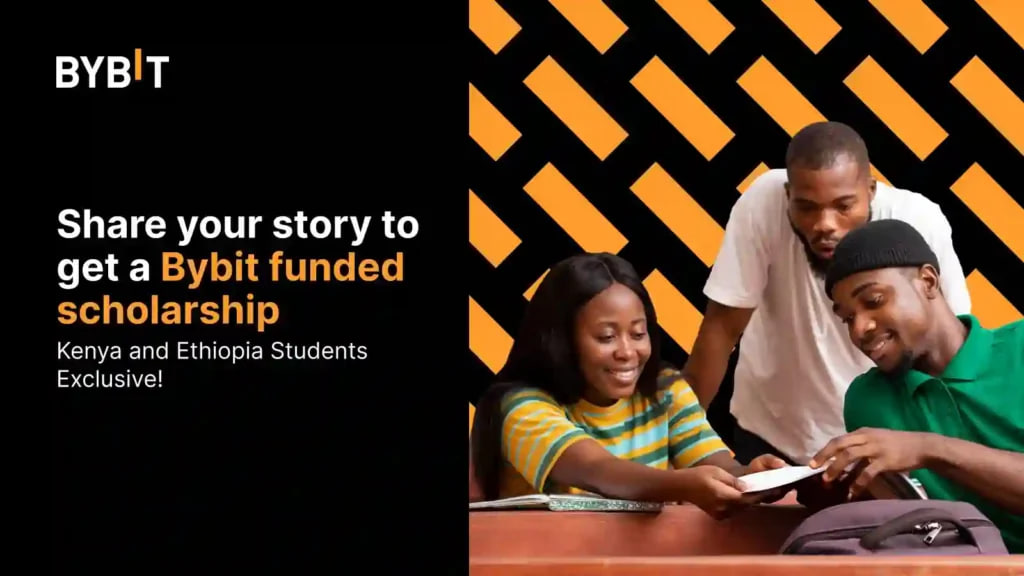
Currently, Bybit is running a parallel university sponsorship program in Kenya and Ethiopia with over $4,000 in committed funding, scheduled to conclude on October 17, 2024. This program follows similar participation criteria, demonstrating a replicable model for educational support across the continent.
Tether’s Educational Footprint in Africa
Tether, the company behind USDT, the world’s largest stablecoin by market capitalization. has been equally active in promoting blockchain education across African markets.
In June 2024, Tether partnered with the Zanzibar eGovernment Authority to promote Web3 education while accelerating USDT adoption. This partnership included the ZanMalipo initiative, which aims to integrate Tether into local government payment gateways, showcasing how educational programs can create pathways toward real-world utility.
Earlier in March 2024, Tether collaborated with Nigerian exchange Quidax to provide blockchain education for over 15,000 individuals across Nigeria and Ghana, two of Africa’s most active cryptocurrency markets.
Tether Edu: Curriculum Designed for African Realities
The foundation of Tether’s educational strategy is Tether Edu, launched in February 2024 specifically targeting emerging markets in Africa, Latin America, and the Middle East.
According to Tether Edu’s official platform, the curriculum addresses challenges unique to developing economies: currency volatility, limited banking infrastructure, and language barriers. The educational materials focus heavily on stablecoin importance, design principles, and practical utility, directly relevant to African users who often turn to stablecoins as hedges against local currency depreciation.
In 2024, Tether Edu formalized partnerships with five universities in Ivory Coast, embedding blockchain technology into existing academic curricula:
- Université Félix Houphouët-Boigny
- Institut National Polytechnique Félix Houphouët-Boigny
- Pigier Business School
- Université Alassane Ouattara
- Université d’Abobo-Adjamé
These institutional partnerships signal a long-term approach to blockchain education, moving beyond short-term workshops to systemic integration within higher education frameworks.
How Students Can Participate
South African university students interested in applying for the Bybit-Tether scholarship should prepare to create a compelling video submission that clearly communicates their academic goals, field of study, and how the financial support would impact their educational journey.
Videos should be authentic and specific, demonstrating genuine need and clear plans for how the scholarship would be utilized. After creating the video, applicants must share it on their social media platforms before submitting through the official entry portals.
With weekly winner announcements building momentum throughout the October 2 to November 7 campaign period, applicants should submit early to maximize their chances of being featured in multiple selection rounds.
The Future of Crypto Education in Africa
The Bybit-Tether scholarship program is unlikely to be the last major educational initiative targeting African students. As cryptocurrency adoption continues growing across the continent, driven by factors including currency instability, remittance needs, and increasing digital payment infrastructure. the competition for African talent will intensify.
Educational programs represent long-term investments in market development, community building, and regulatory positioning. As more blockchain platforms recognize Africa’s strategic importance, we can expect continued expansion of scholarship programs, bootcamps, university partnerships, and technical training initiatives.
For African students, this trend creates unprecedented opportunities to access quality blockchain education, financial support, and career pathways in one of technology’s fastest-growing sectors, all while contributing to solutions that address challenges in their own communities.
The convergence of corporate investment, educational access, and local innovation could position Africa as not just a cryptocurrency adoption leader, but as a significant contributor to global blockchain development in the coming decade.