Nigeria’s booming cryptocurrency adoption has caught the attention of global financial watchdogs, with the International Monetary Fund issuing stark warnings about potential risks to the country’s economic stability.
Key Takeaways
- IMF identifies Nigeria’s crypto surge as major threat to foreign exchange stability
- Report calls for immediate implementation of comprehensive regulatory framework
- Nigeria ranks top 3 globally in cryptocurrency adoption despite regulatory uncertainties
- Central Bank of Nigeria urged to accelerate licensing guidelines for crypto operators
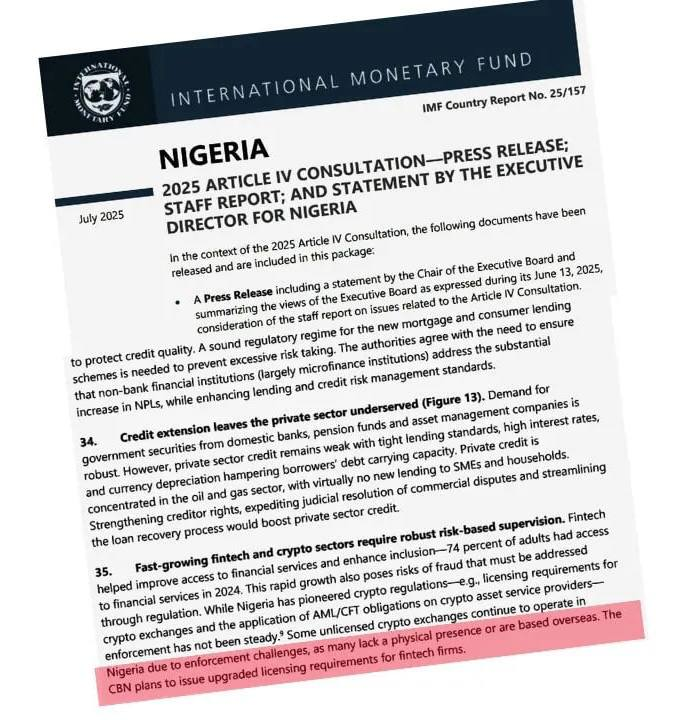
The International Monetary Fund has delivered a sobering assessment of Nigeria’s cryptocurrency landscape, warning that the country’s rapidly expanding digital asset adoption could destabilize its macroeconomic foundations. In its latest Nigeria Article IV Consultation report released in July 2025, the IMF highlighted significant concerns about foreign exchange management, capital flow regulation, and anti-money laundering efforts.
The Scale of Nigeria’s Crypto Revolution
Nigeria’s cryptocurrency adoption has reached unprecedented levels, with the country consistently ranking among the world’s top three nations for crypto usage according to Chainalysis data. This surge comes despite years of regulatory uncertainty and reflects deeper economic challenges facing African nations.
The driving forces behind this adoption are multifaceted. Nigeria’s volatile Naira, persistently high inflation rates, and restricted foreign exchange access have created an environment where citizens and businesses increasingly turn to digital assets, particularly stablecoins like USDT, as alternative stores of value and payment mechanisms.
“The widespread use of crypto assets for cross-border transactions could undermine FX regulation and increase illicit capital outflows,” the IMF stated in its comprehensive report, highlighting the organization’s growing concern about cryptocurrency’s impact on traditional monetary policy tools.
Economic Risks and Regulatory Challenges
The IMF’s warnings center on three primary areas of concern that reflect broader challenges facing emerging economies in the digital asset era.
Foreign Exchange Stability Under Pressure
Nigeria’s foreign exchange management faces unprecedented challenges as cryptocurrency adoption accelerates. The IMF notes that crypto-enabled transactions can circumvent traditional foreign exchange controls, potentially exacerbating existing pressures on the Naira. With the Nigerian currency already experiencing significant volatility and wide parallel market premiums, the decentralized nature of cryptocurrency transactions adds another layer of complexity for monetary authorities.
Capital Flow Regulation Complications
The borderless nature of cryptocurrency transactions presents serious challenges for capital flow management. Stablecoins, in particular, offer frictionless cross-border transfers that can effectively bypass traditional capital controls. This development concerns the IMF, which views such mechanisms as potentially undermining Nigeria’s ability to manage its balance of payments and maintain economic stability.
Anti-Money Laundering Vulnerabilities
Nigeria’s Financial Intelligence Unit has previously identified virtual assets as vehicles for illegal activities, including fraud and terrorism financing. The IMF’s report echoes these concerns, emphasizing that regulatory gaps in the cryptocurrency sector could facilitate illicit financial flows and compromise Nigeria’s anti-money laundering efforts.
Regulatory Framework: Progress and Gaps
The regulatory landscape for cryptocurrency in Nigeria remains fragmented despite recent developments. The Central Bank of Nigeria officially reversed its cryptocurrency ban in late 2023, signaling a shift toward accommodation rather than prohibition. However, the IMF notes that implementation of comprehensive oversight mechanisms has lagged behind this policy change.
Current Regulatory Status
The Securities and Exchange Commission of Nigeria has introduced a Digital Assets Rulebook and established licensing procedures for Virtual Asset Service Providers (VASPs). However, enforcement remains inconsistent, and many cryptocurrency platforms continue operating without proper local authorization or oversight.
The IMF particularly criticized the lack of unified enforcement mechanisms, noting that many crypto platforms operate without maintaining a physical presence in Nigeria, making regulatory oversight more challenging.
Urgent Reforms Needed
The IMF has outlined several specific recommendations for Nigeria’s regulatory authorities:
Immediate Actions Required:
- Development of comprehensive licensing guidelines for cryptocurrency and fintech operators
- Implementation of enhanced Know Your Customer (KYC) and Anti-Money Laundering (AML) procedures
- Alignment with Financial Action Task Force (FATF) international standards
- Creation of coordinated enforcement mechanisms across regulatory agencies
Long-term Structural Changes:
- Gradual and structured removal of capital flow restrictions
- Modernization of foreign exchange intervention frameworks
- Implementation of inflation targeting mechanisms
- Enhanced market transparency measures
Continental Context: Africa’s Cryptocurrency Adoption Wave
Nigeria’s cryptocurrency adoption reflects a broader continental trend where digital assets are increasingly viewed as solutions to persistent economic challenges. The IMF’s concerns about Nigeria mirror similar situations across Africa, where cryptocurrency adoption often outpaces regulatory development.
Regional Patterns
Zimbabwe has experienced significant cryptocurrency adoption during periods of currency instability and government-imposed foreign exchange controls. Similarly, Kenya is accelerating its regulatory framework development after discovering increased use of USDT in remittances and business payments.
The IMF has consistently advised caution across the African continent, warning in 2022 that unregulated cryptocurrency could pose “severe threats to financial and macroeconomic stability.” However, adoption continues growing, driven not by speculation but by practical needs for alternative financial infrastructure.
Economic Drivers Behind Adoption
Nigeria’s cryptocurrency boom stems from fundamental economic pressures that reflect broader challenges facing emerging economies in the digital age.
Currency Volatility and Inflation
The Nigerian Naira’s volatility, combined with persistent inflation, has eroded confidence in traditional savings mechanisms. Cryptocurrency, particularly stablecoins pegged to the US dollar, offers citizens a way to preserve value and conduct international transactions without exposure to local currency fluctuations.
Limited Foreign Exchange Access
Nigeria’s foreign exchange restrictions have created barriers for businesses and individuals seeking to engage in international trade or investment. Cryptocurrency provides an alternative pathway that bypasses these restrictions, though this capability concerns monetary authorities about potential capital flight.
Financial Infrastructure Gaps
Many Nigerians lack access to traditional banking services or find existing financial infrastructure inadequate for their needs. Cryptocurrency platforms offer financial services that are accessible, efficient, and available 24/7, filling gaps in the traditional financial system.
Looking Forward: Balancing Innovation and Stability
The IMF’s warnings highlight the delicate balance Nigeria must strike between accommodating financial innovation and maintaining economic stability. The path forward requires careful consideration of multiple stakeholder interests while addressing legitimate concerns about financial stability and regulatory oversight.
Immediate Priorities
Nigerian authorities face pressure to act quickly on several fronts. The Central Bank of Nigeria’s development of comprehensive cryptocurrency guidelines represents a critical step toward providing clarity for market participants while establishing necessary oversight mechanisms.
Enhanced cooperation between regulatory agencies will be essential for creating effective enforcement mechanisms. The fragmented current approach has allowed regulatory gaps to persist, potentially undermining the effectiveness of oversight efforts.
Long-term Implications
Nigeria’s approach to cryptocurrency regulation will likely influence regulatory development across Africa. As one of the continent’s largest economies and a leader in cryptocurrency adoption, Nigeria’s regulatory framework could serve as a model for other African nations grappling with similar challenges.
The success or failure of Nigeria’s regulatory approach will have implications beyond its borders, potentially affecting regional economic integration and cooperation on digital asset governance.
Conclusion
The IMF’s warnings about Nigeria’s cryptocurrency adoption reflect broader challenges facing emerging economies in the digital asset era. While the concerns about financial stability and regulatory oversight are legitimate, they must be balanced against the real economic needs driving cryptocurrency adoption.
Nigeria’s path forward requires comprehensive regulatory development that addresses legitimate concerns while recognizing the role cryptocurrency plays in filling gaps in traditional financial infrastructure. The country’s experience will likely serve as a crucial case study for other African nations navigating the complex relationship between digital assets and economic stability.
As Nigeria works to develop its regulatory framework, the broader African cryptocurrency ecosystem will be watching closely. The outcome will have significant implications for how the continent approaches digital asset governance and financial innovation in the years ahead.
Read also
African Blockchain Startups Face Funding Challenges Despite Rising Deal Numbers since 2024
Enjoyed this story?
Stay ahead of the curve with Africa’s top crypto headlines, market insights, and Web3 analysis, delivered every week.